Does Car Wrap Damage Your Paint? We Removed a 2-Year-Old Wrap to Find Out

Mohammed Lexus
Published 30 May 2026
The Question Every Nigerian Car Owner Asks Before Booking a Wrap
There is one question Mohammed Lexus receives in DMs and WhatsApp messages more than any other: "If I wrap my car and want to change it later, will it damage my paint?" It is a fair concern. You have spent good money on your car, the factory paint looks clean, and you do not want to ruin it chasing a new look.
The short answer is no. A professionally installed quality wrap does not damage your paint. Done correctly with 3M or Avery Dennison vinyl, a wrap actually protects your paint from the Lagos environment for every day it is on the car.
But we are not asking you to take that claim on faith. We pulled back a two-year-old wrap in our studio and documented exactly what was underneath. Here is what we found, why it happened, and what can genuinely put your paint at risk.
The Dodge Charger Proof: 2 Years Under Vinyl, Paint Untouched
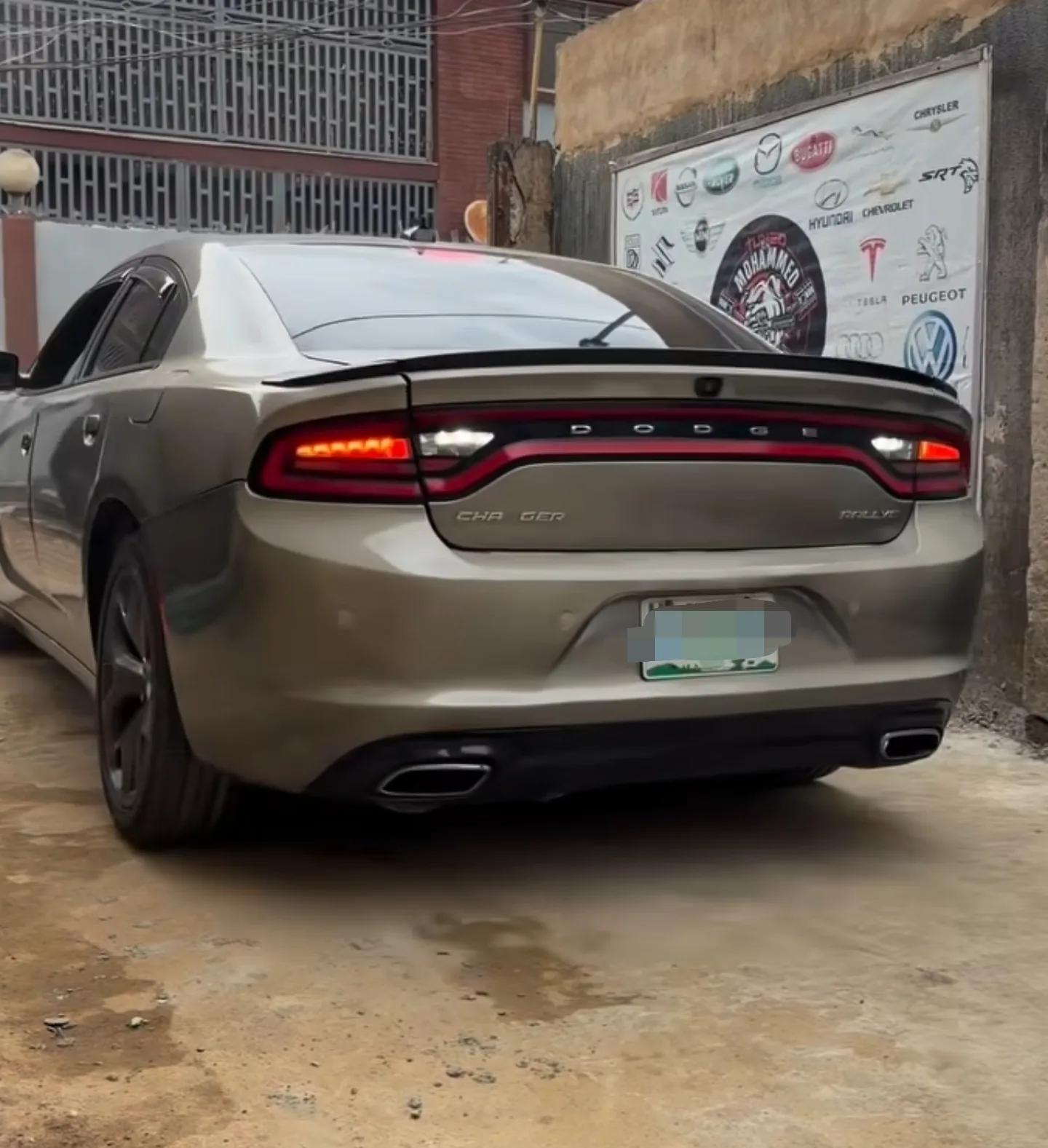
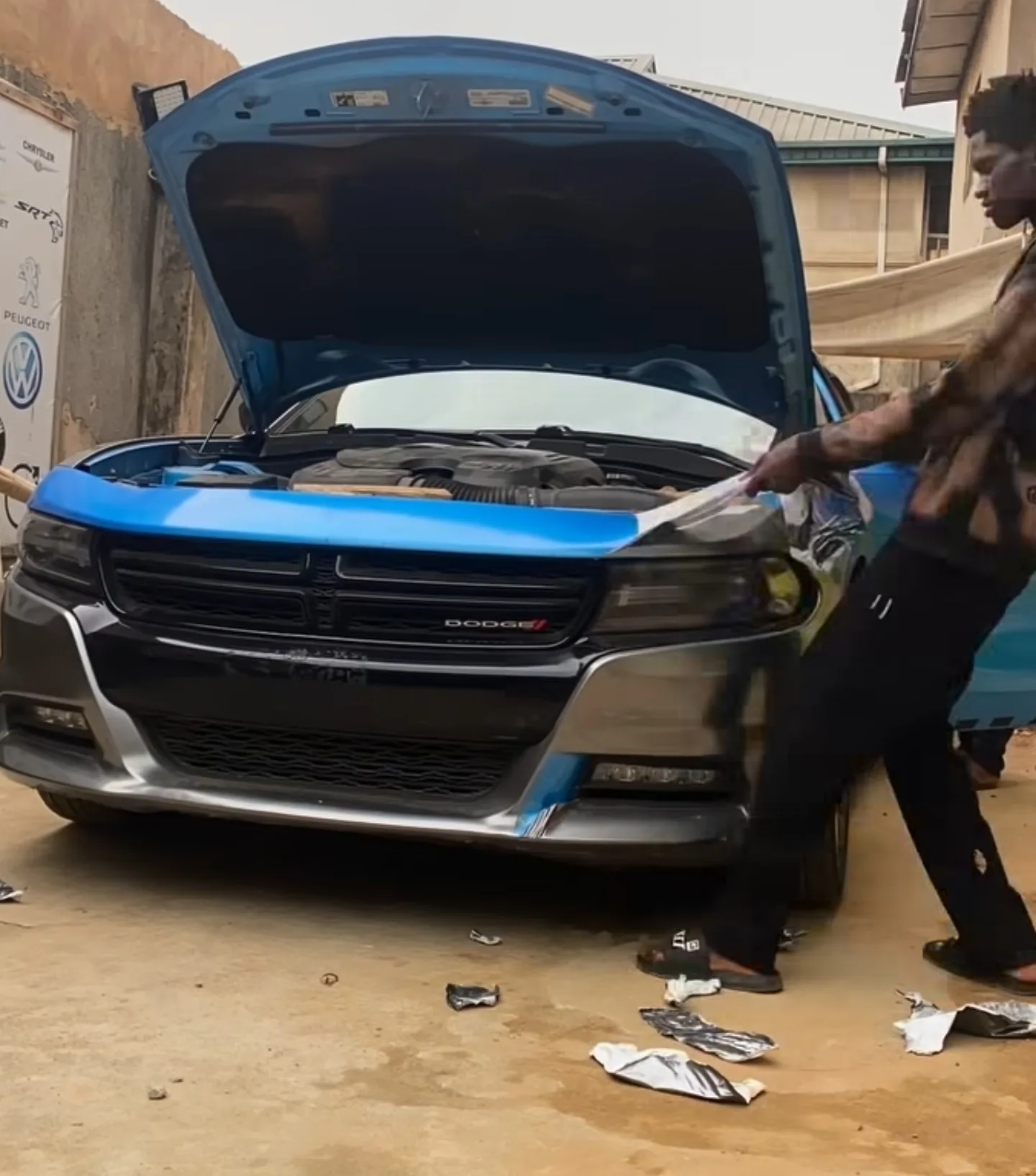
A Dodge Charger Rally came into the Mohammed Lexus studio for a rewrap. Two years earlier, we had installed a silver vinyl wrap on this exact car. The owner was ready for a change, a full switch to Black Diamond matte black.
Before the new wrap could go on, the old silver one had to come off. This is where the real evidence lives.
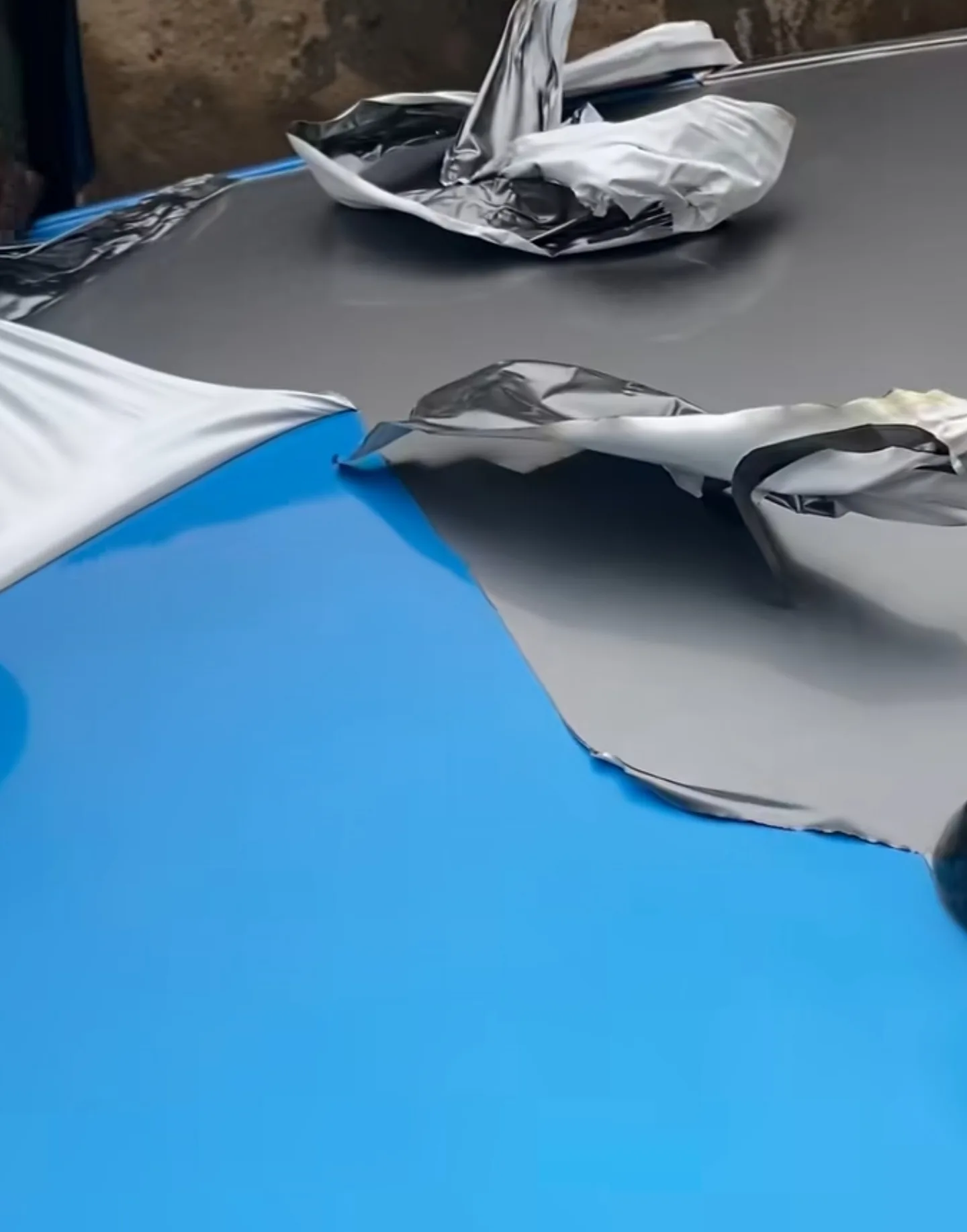
When our technicians peeled back the silver vinyl, the factory paint underneath was completely untouched. Same gloss. Same colour depth. Zero adhesive residue. Zero fading. The silver wrap had been sitting over that paint through two full Lagos dry seasons, two rainy seasons, Harmattan dust, daily heat, everything this city throws at a car. And the paint looked as if it had never been driven.
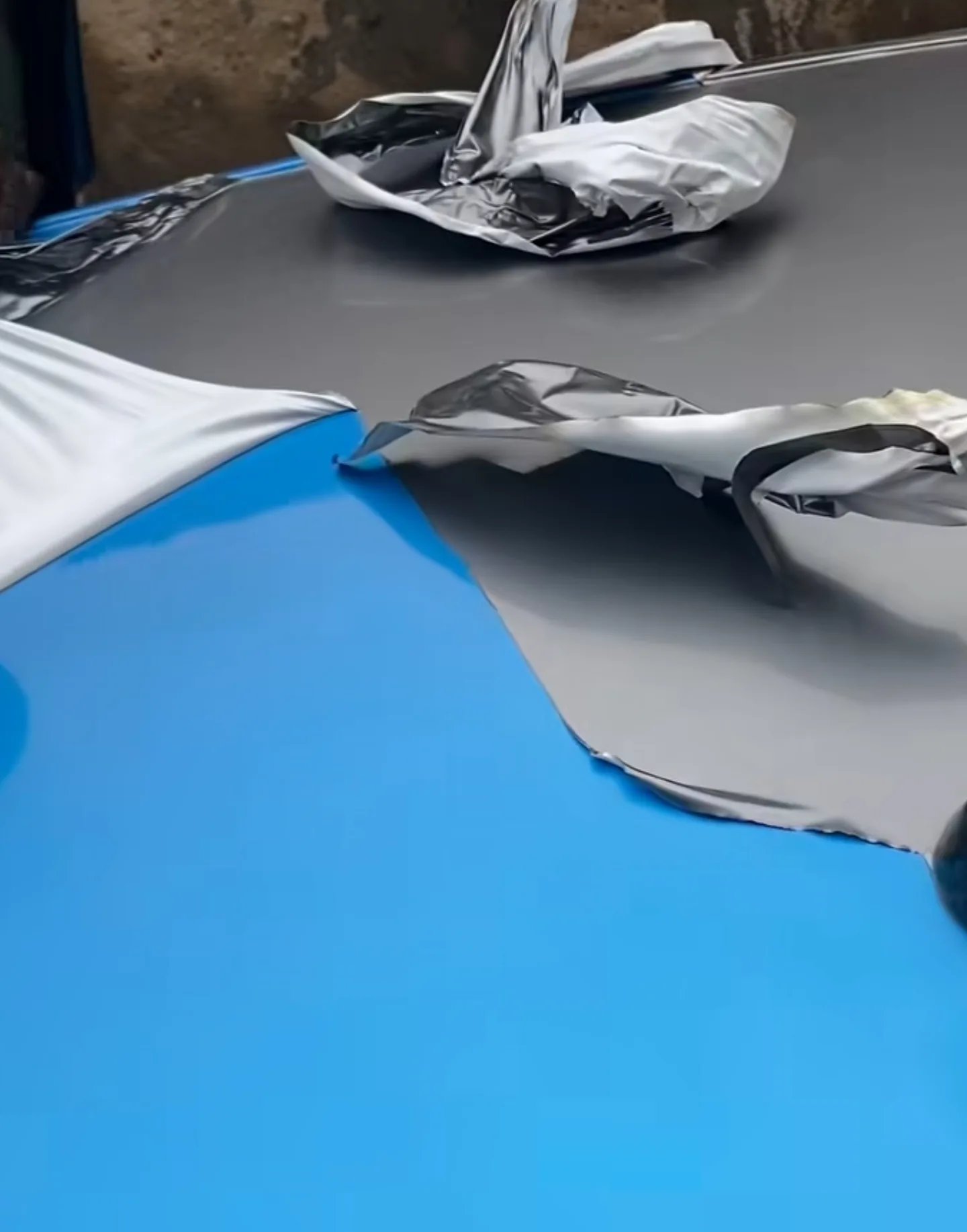
This is not a marketing claim. It is a documented result from a real job on a real customer's car. If there is a more honest answer to "does car wrap damage paint?", we have not found one.
Why Quality Vinyl Actually Protects Your Paint
Think of a vinyl wrap as a second skin over your car's original finish. UV rays, stone chips, light scratches, road grime, petrol drips at the filling station: all of these hit the vinyl, not the paint. The original factory clear coat sits sealed underneath, untouched by any of it.
Lagos conditions are some of the harshest for car paint anywhere in the world. Direct equatorial sun accelerates oxidation faster than in Europe or North America. Harmattan dust carries fine abrasive particles that scratch unprotected clear coat over time. Coastal humidity, especially on the Island, works salt and moisture into micro-cracks in the paint if the clear coat is not perfect.
Under the vinyl, the paint experiences none of that. It sits in a controlled microenvironment, shielded from light, heat, humidity, and abrasion. When the wrap comes off two, three, or five years later, that paint is often in better condition than an unwrapped car of the same age parked on the same street.
The Dodge Charger is a direct demonstration of this. The silver wrap preserved the factory paint in showroom condition for two full years of daily Lagos use.
What Makes a Wrap Removable Without Damage
Not all wraps come off cleanly. The difference between a wrap that peels off in minutes without a trace and one that tears the paint comes down to three things.
The Adhesive
Quality vinyl films from 3M and Avery Dennison use pressure-sensitive adhesive. This adhesive bonds firmly to the paint surface but stays at the surface level: it never penetrates the clear coat, never reacts chemically with the paint, and never becomes permanently bonded to it.
The key property is reversibility. When heat is applied, the adhesive softens and releases cleanly, pulling away from the paint without leaving residue or lifting the clear coat beneath it.
Cheap vinyl, particularly the rolls sold in Alaba Market and imported through unverified channels, uses aggressive adhesive formulated to bond hard and hold fast. In Lagos heat, that adhesive cures onto the clear coat over time. By the time you try to remove it, it has essentially baked itself onto your paint. Removal then becomes destructive: you are either tearing the vinyl and leaving sticky residue, or you are lifting the clear coat along with it.
Professional Heat-Assisted Removal
The correct technique for removing a wrap uses a heat gun to bring the film surface to 50-60°C before pulling. At that temperature, the adhesive is warm and pliable. The vinyl releases cleanly at a 45-degree angle with steady, controlled tension, and the adhesive stays with the film rather than remaining on the paint.
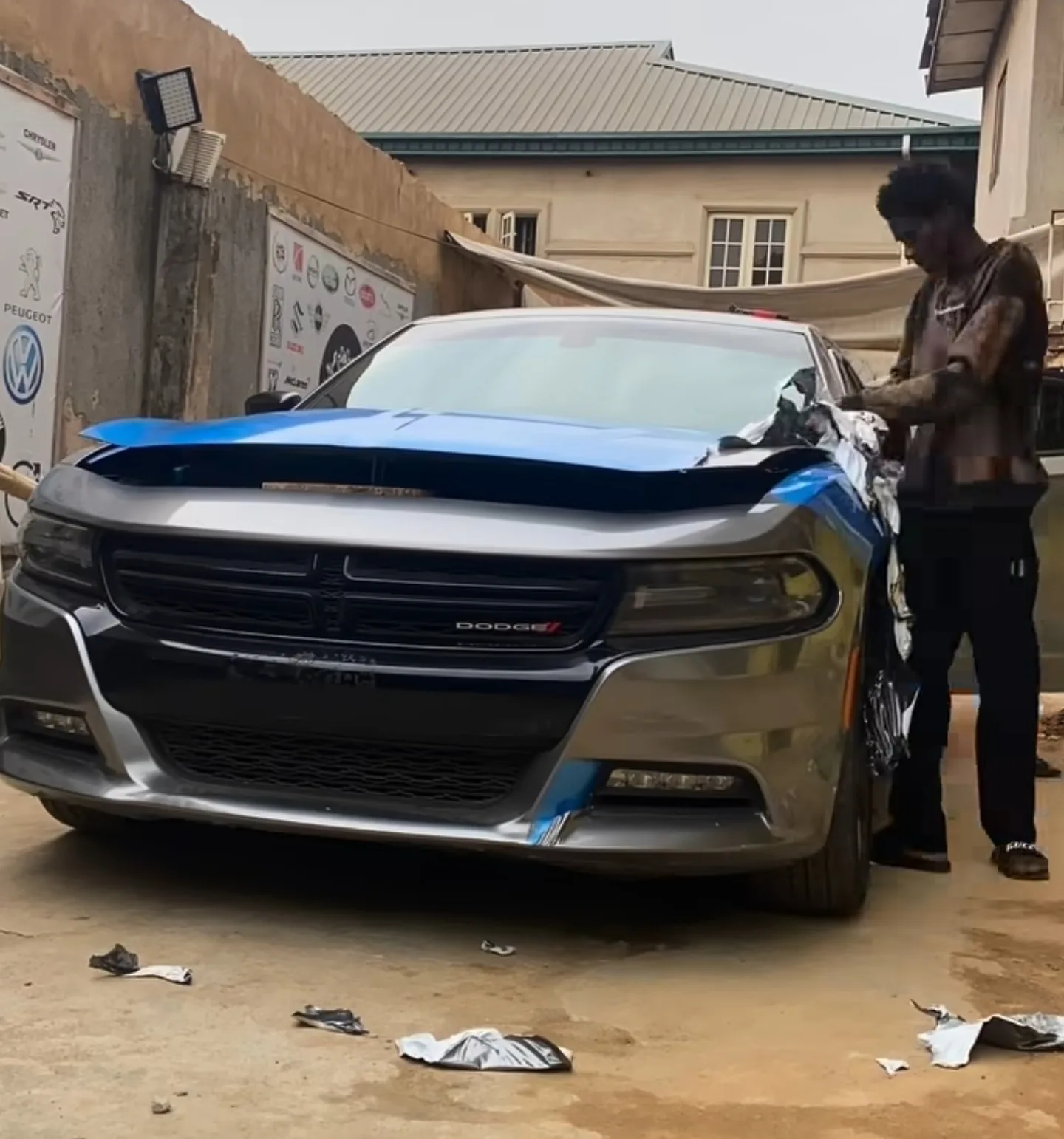
Skip the heat, rush the pull, or pull at the wrong angle, and the adhesive tears away from the film. What you are left with is a car covered in adhesive residue that then requires solvent and mechanical effort to remove, adding time and risk to the process. Mohammed Lexus removes wraps with the same care and precision used to install them.
Staying Within the Vinyl's Rated Lifespan
3M and Avery Dennison films are rated for 5 to 7 years of outdoor use in standard conditions. Within that window, the adhesive remains in its designed state and removal is always predictable and clean. The Dodge Charger's two-year-old wrap was well within this window, which is exactly why removal was straightforward.
Leave a wrap on for 8 or 9 years and the adhesive begins to degrade from years of heat cycling. The polymer structure changes and the film becomes brittle. Removal at that stage is genuinely difficult and the outcome is less predictable. This is an edge case, not a common scenario, but it is worth knowing.
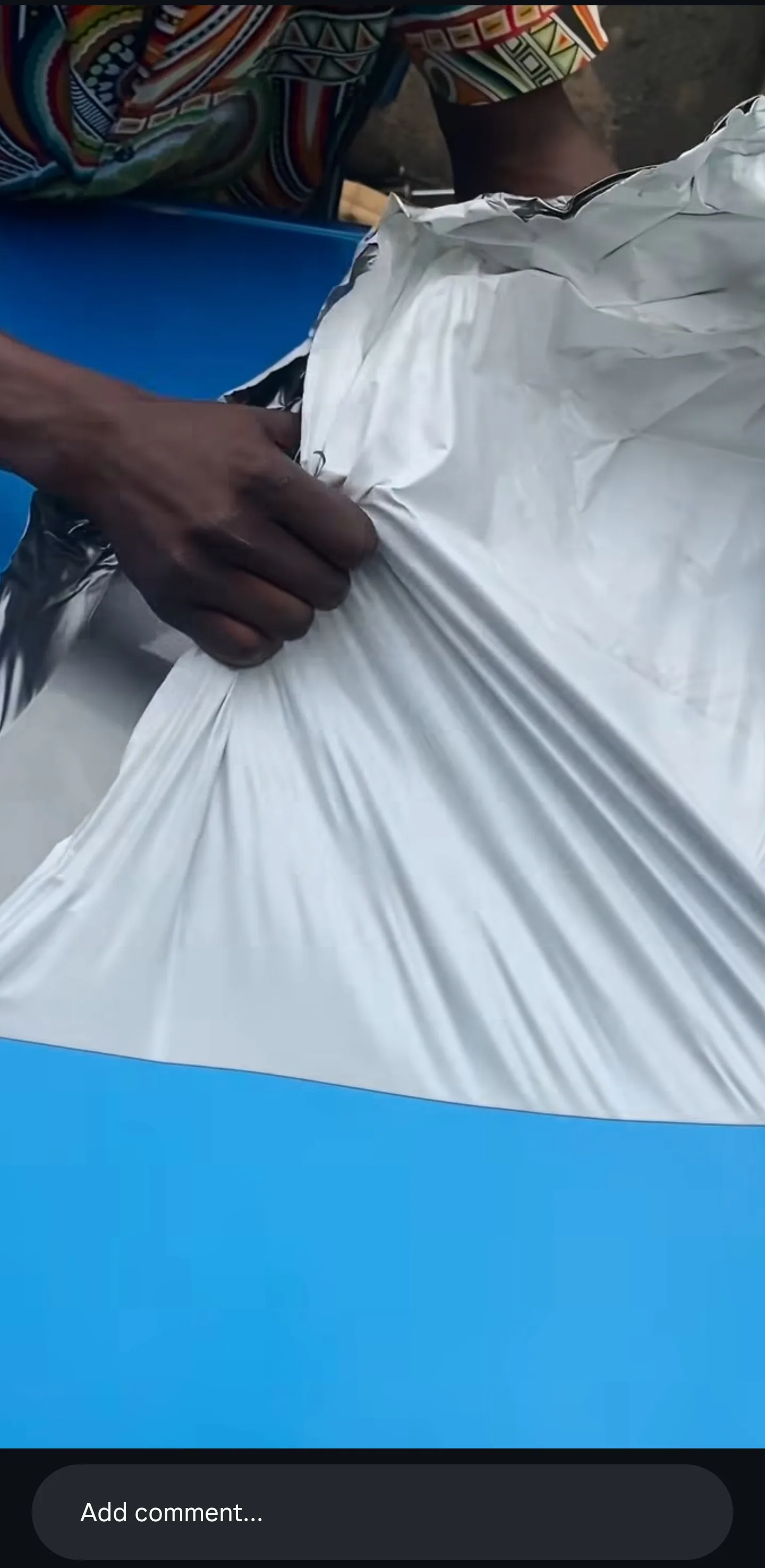
When getting a wrap removed at any workshop, ask how they do it. The correct answer is: heat gun first, steady 45-degree angle pull, adhesive remover for any residue. If the technician reaches for a scraper without a heat gun, stop them.
What CAN Damage Your Paint From a Wrap
The risks are real, but they are all avoidable. Here is what actually causes wrap-related paint damage:
Low-quality vinyl with aggressive adhesive. Alaba market film is not manufactured to the same tolerances as 3M or Avery Dennison. The adhesive chemistry is different, and its behaviour under Lagos heat is unpredictable. This is the single most common cause of paint damage attributed to wrapping.
Wrapping over compromised paint. Vinyl does not fix existing damage. If your paint has chips that expose bare metal, areas where the clear coat is peeling, or surface rust starting at panel edges, a wrap will seal moisture against those problem areas. Over time, corrosion accelerates underneath the film. The wrap is not the cause, but it accelerates damage that was already there.
Removing without heat. DIY removal is high risk if you do not have a proper heat gun and the patience to work at the correct temperature. Pulling cold vinyl is the most common way adhesive residue ends up on paint.
Leaving the wrap beyond its rated life. Five to seven years is the window. Past that, all bets on clean removal are off.
Power-washing directly at panel edges. High-pressure water directed at the edge of a wrap panel lifts the film over time. Always wash wrapped cars with low pressure and rinse edges from the centre outward, not into the seam.
None of these risks apply when you use quality vinyl installed and removed by professionals. The Charger is the proof of that.
After the Silver Came Off: The Black Diamond Rewrap
With the old wrap removed and the factory paint confirmed to be in perfect condition, the Dodge Charger was ready for its transformation.
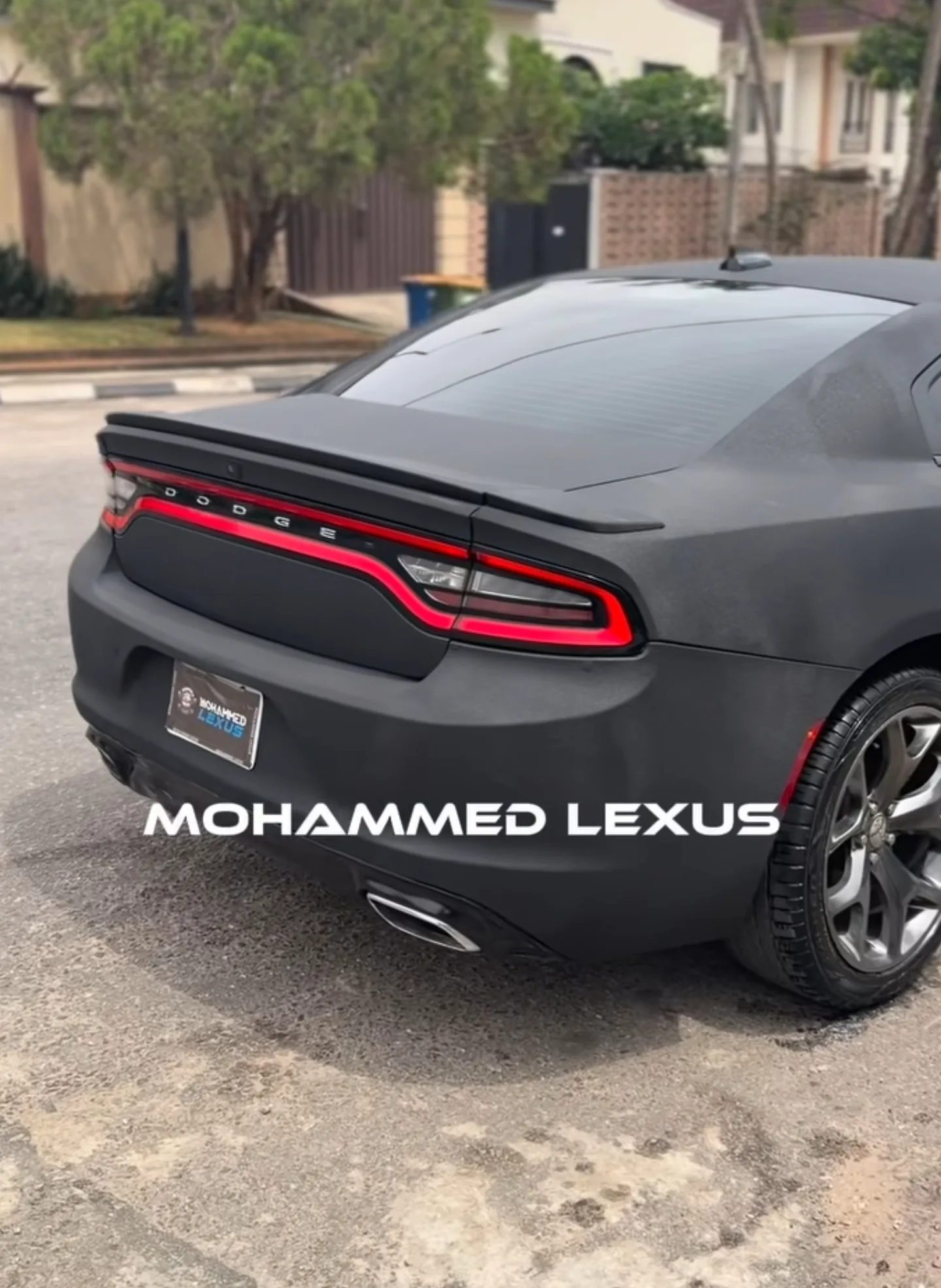
The client chose Black Diamond, a premium matte black finish. Matte black on a Charger is a completely different personality from the original silver: more aggressive, more deliberate, the kind of look that announces the car before you hear the engine.
The preserved factory paint gave the new wrap an ideal base. No prep work to compensate for damage. No sections to mask off because of lifted clear coat. The fresh vinyl bonded to a clean, smooth, fully intact surface and the result was exactly what it should be: seamless.
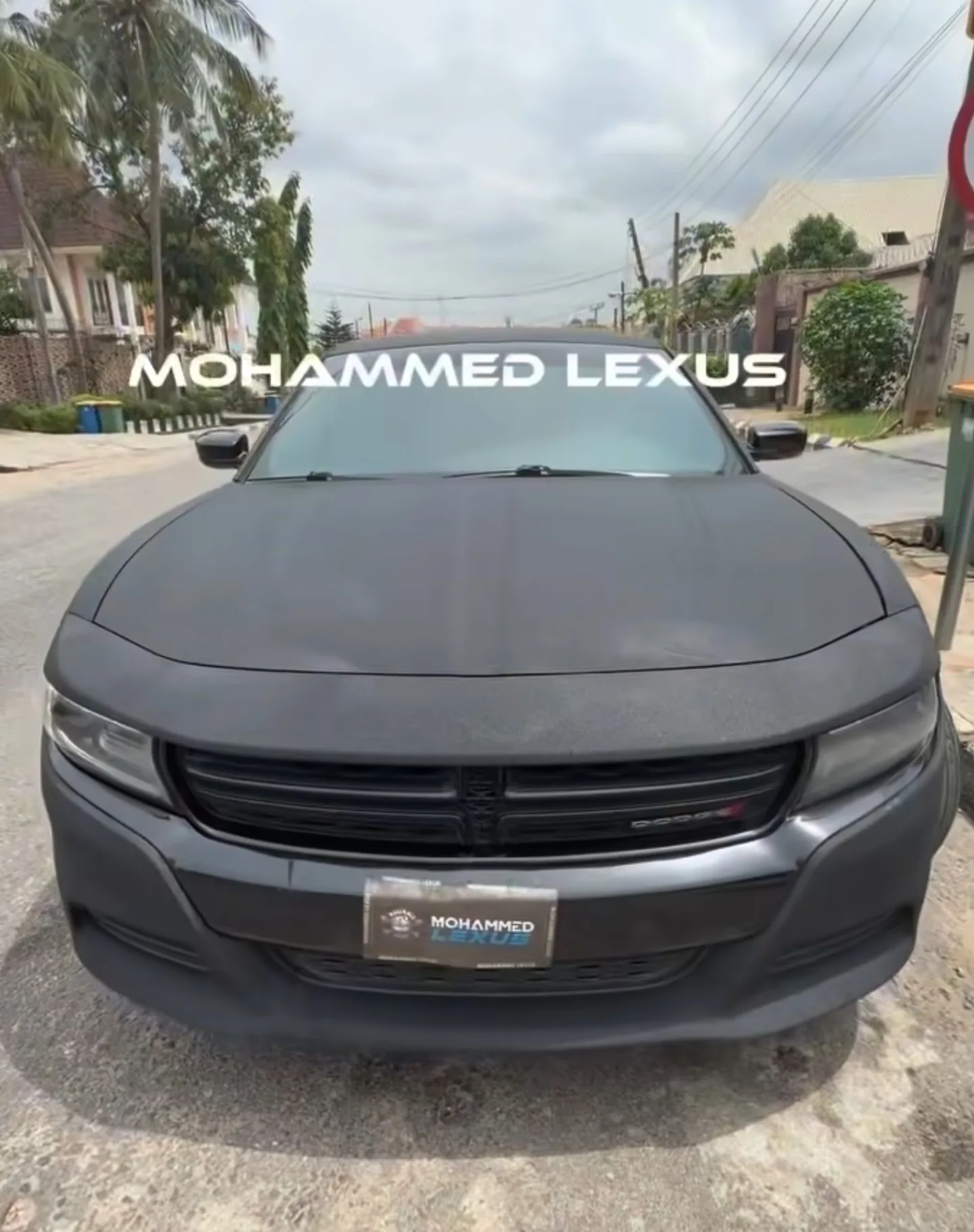
This is the compounding benefit of protecting your paint with quality vinyl. Every time you change the wrap, the job is easier, faster, and the outcome is better because the base underneath is always in the best possible condition.
How Long Does a Car Wrap Last in Nigeria?
With 3M or Avery Dennison film installed professionally, you can expect 3 to 5 years in Nigerian conditions before the vinyl starts to show wear at edges and high-sun panels. That is shorter than the European rating, because Lagos sun is genuinely more intense than the test conditions those films are rated under.
The biggest factor in wrap lifespan is how the car is stored and washed. A car that parks in a covered garage or under shade daily will easily reach 5 years. A car parked in direct sun every day, every year, in Lagos heat will be at the shorter end of that range.
Washing habits matter too. For matte and satin finishes: avoid wax entirely (it fills the texture and kills the flat look), use pH-neutral car shampoo, and rinse by hand or with a touchless wash. For gloss wraps: a light spray wax is fine, but avoid rotary polishing directly on the vinyl.
Petrol station squeegee cloths are the enemy of any wrap. They drag grit across the surface under pressure. Wave them off and use a soft microfibre instead.
Can You Wrap a Car That Has Already Been Resprayed?
Yes, but with one critical condition: the condition of the respray matters more than the respray itself.
A full-body respray from a reputable paint shop, fully cured, is a fine base for vinyl. Factory paint and quality respray paint behave the same way under vinyl adhesive. The wrap does not know the difference.
Two situations where resprayed paint causes problems:
First, a recent respray. Automotive paint needs a minimum of 30 days to fully cure before vinyl can be applied over it. Wrap over fresh paint and the adhesive can bond to solvents still off-gassing from the paint, permanently altering how the adhesive behaves on removal.
Second, a poor-quality respray with failing lacquer. If the respray was applied over rust, over peeling existing clear coat, or without adequate prep, the wrap will lift at exactly the same points the respray is already failing. The vinyl is not the problem: the paint underneath was already failing. Wrapping over it hides the symptoms briefly and then makes removal messier.
The rule is simple: if you would not wax the paint, you should not wrap it. A pre-wrap paint inspection is part of every job at Mohammed Lexus.
Protect Your Paint, Then Wrap It
For the top tier of protection, nothing beats Paint Protection Film. PPF is a thick, optically clear urethane film that absorbs stone chips and deep scratches, actually self-heals from light surface marks, and is virtually invisible on the car. For vehicles valued at ₦20 million and above, or for owners who spend long hours on the Lagos-Ibadan expressway where stone chips are constant, PPF on the front panels before wrapping is the gold standard.
For most Nigerian cars, a quality vinyl wrap at Mohammed Lexus is already a meaningful level of paint protection. It is not PPF, but it is dramatically better than bare paint under Lagos sun. The Dodge Charger's factory paint after two years under vinyl is the evidence.
Read the full guide to paint protection film in Lagos if you want to understand where PPF fits and when it makes sense as a first step before wrapping.
Frequently Asked Questions
Does car wrap damage paint in Nigeria?
No, provided you use quality vinyl from 3M or Avery Dennison and have it installed and removed by professionals. Cheap vinyl with aggressive adhesive, applied by inexperienced fitters, is the source of almost all wrap-related paint damage stories in Nigeria.
How long does a car wrap last in Nigeria?
Three to five years with 3M or Avery Dennison vinyl under Nigerian conditions. Lagos sun is more intense than the European conditions those films are rated under, so the lower end of their stated 5-7 year lifespan is a more realistic target if your car parks outside daily.
Can I remove a car wrap myself in Nigeria?
You can, but the risk is real if you do it without a heat gun and the right technique. Cold removal is the most common cause of adhesive residue on paint. If you are not confident, have it removed professionally: the cost of getting it wrong is higher than the cost of a professional removal.
Does vinyl wrap protect against stone chips?
It provides light protection against very small chips and surface scratches. For proper stone chip protection, especially on front bumpers, bonnets, and door leading edges on highways, Paint Protection Film is the correct solution. A wrap is not a substitute for PPF where chip protection is the primary goal.
Is it safe to wrap a recently resprayed car?
Wait at least 30 days for the respray to fully cure before applying vinyl. Wrapping over fresh paint can cause adhesion problems that make removal difficult later.
Book Your Wrap With Confidence
Every wrap at Mohammed Lexus uses 3M or Avery Dennison vinyl. Your factory paint is protected, not sacrificed, for every day that wrap is on your car. When you are ready to change the wrap or go back to bare paint, we remove it the same way we installed it: with heat, patience, and no shortcuts.
The Dodge Charger is not a one-off. It is what you can expect when the job is done correctly from the start.
Book a free quote and schedule your wrap via WhatsApp at +234 813 275 1469. We handle everything from colour consultation to installation to removal when the time comes.
And while you are transforming the exterior, consider finishing the job inside. The Sport Style Racing Seat Headrest at ₦150,000 brings the same premium attention to detail into the cabin. A matte black Charger with a motorsport headrest is a complete statement, not a half-finished one.
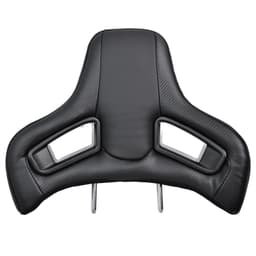
Sport Style Racing Seat Headrest
Premium quality with carbon texture panel
₦150,000
Shop Now →

You might also like
Get car upgrade tips in your inbox
Join car enthusiasts across Nigeria who get our best tips delivered weekly.
We respect your privacy. Unsubscribe anytime.