Lagos to Abuja Road Trip: Comfort Tips for Nigerian Drivers (2026)

Mohammed Lexus
Published 29 May 2026
What You're Getting Into
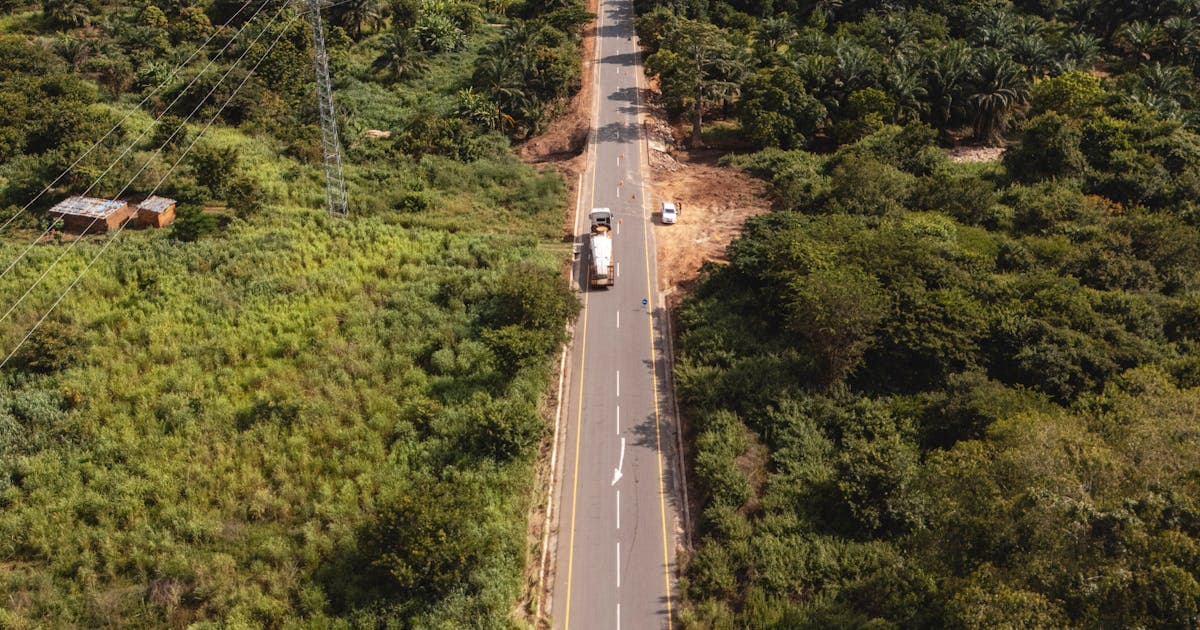
The Lagos–Abuja drive is approximately 765 km via the most common route through Ibadan, Ore, Benin City, Lokoja, and into FCT. Under good conditions with minimal stops, you're looking at 8–10 hours of driving. In real Nigerian conditions (fuel queues, traffic at Shagamu interchange, Ore junction congestion, the Lokoja descent) budget 10–12 hours.
That's a full day's work before you even arrive.
Most of the fatigue from this drive doesn't come from the road. It comes from how your body is positioned in the car for those 10+ hours. Fix the seating position and you arrive functional. Get it wrong and you spend your first day in Abuja recovering from the drive.
The Route: Lagos to Abuja
Total distance: ~765 km Recommended route: Lagos → Sagamu interchange → Ibadan → Ore → Benin City → Lokoja → Abuja
| Segment | Distance | Notes |
|---|---|---|
| Lagos → Ibadan | ~150 km | Watch Sagamu interchange traffic. Fuel up before departure. |
| Ibadan → Ore | ~130 km | Lagos–Ibadan expressway, fast but potholed in sections |
| Ore → Benin City | ~100 km | Manageable stretch. Ore junction has food stops. |
| Benin City → Lokoja | ~200 km | Steady drive. Good rest stop in Benin City. |
| Lokoja → Abuja | ~180 km | The Lokoja descent. Careful. Road quality improves significantly after. |
Best departure time: 4:00–5:00 am from Lagos. You clear Lagos traffic before it builds, hit Ibadan before 8 am, and arrive Abuja before dusk. Night driving between Lokoja and Abuja is not advised.
Before You Leave Lagos
Run these checks the evening before, not the morning of:
- Fuel: Fill completely. Don't rely on finding fuel between Lagos and Ibadan. Queues can cost you 45 minutes.
- Tyres: Check pressure including the spare. The Lagos-Ibadan expressway potholes have taken out more tyres than anything else on this route.
- Water and snacks: 4–6 litres of water per person. The Ore and Lokoja stops are reliable but spaced far apart.
- Phone mount: Eyes on the road, not on your lap.
- Car AC: Service it before a long drive if it hasn't been done this year. A failing AC on the Benin-Lokoja stretch in April is a serious problem.
Rest Stops: Where to Stop
Ibadan (km 150): First logical stop. Refuel if needed. Good local food at Dugbe area. Don't linger: if you're on a dawn departure this is usually just a quick fuel stop.
Ore (km 280): The junction has multiple fuel stations and road food options. This is the de facto midpoint break for most Lagos-Abuja drivers. Walk around for 10 minutes minimum.
Benin City (km 380): Best proper rest stop on the route. Good restaurants (local and fast food), clean restrooms, multiple fuel options. If you're doing the drive in one leg, this is where to eat a real meal and spend 20–30 minutes off the road.
Lokoja (km 580): Fuel before the descent. The winding Lokoja-Abuja road requires focus. Don't start it tired.
The #1 Fatigue Factor Drivers Overlook
Most Lagos-Abuja driving guides talk about fuel stops, rest breaks, and tyre pressure. None of them mention the thing that causes the most fatigue on a long drive: your headrest.
Your factory headrest sits too far back from your skull. On a 2-hour Lagos commute, that gap causes some neck strain. On a 10-hour highway drive, it causes serious, cumulative fatigue. Your neck muscles work continuously to hold your head in position against a headrest that isn't actually making contact, and by Lokoja you're exhausted from the inside out, not from the road.
The fix is a sport style racing seat headrest, a plug-in detachable replacement that closes the gap. The contoured foam sits flush with the back of your skull, keeps your cervical spine aligned, and lets your neck muscles rest instead of work for the entire drive.
Drivers who have made the switch consistently report arriving at Abuja noticeably less fatigued than before. The difference is not subtle after 10 hours.
Set your headrest height so the centre is level with the centre of your skull, not at the back of your neck. A headrest at neck level provides zero protection in a collision and actively pushes your head forward during normal driving.
Other Upgrades Worth Making Before the Drive
Lumbar support: A proper lumbar roll maintains the inward curve of your lower back. Without one, long-distance driving collapses your lumbar spine forward within 2–3 hours.
Seat position: Many Nigerian drivers sit too close to the steering wheel. Move back until your wrists rest on the wheel with arms fully extended. This posture reduces shoulder tension significantly.
Sunglasses: Non-negotiable for the Lagos-Ibadan and Lokoja-Abuja stretches. Glare fatigue is real and makes you tired before your body is.
Ergonomic driving position: Both hands on the wheel. Seat back angled at 100–110 degrees (slightly reclined, not upright). This is less tiring than sitting bolt-upright.
The Recommended Car Upgrade for This Drive
If you're doing the Lagos-Abuja run regularly, even once, the sport style racing seat headrest is the single upgrade with the most impact on long-distance comfort. It costs ₦150,000 and installs in under 5 minutes.
More on the headrest and where to buy it: Sport Style Racing Seat Headrest guide →
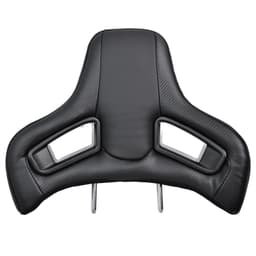
Sport Style Racing Seat Headrest
Premium quality with carbon texture panel
₦150,000
Shop Now →Lagos–Abuja Road Trip FAQs
How long does the Lagos to Abuja drive take?
8–10 hours under good conditions. Budget 10–12 hours for real Nigerian conditions including fuel stops, traffic at Sagamu interchange, and the Ore junction. Departing at 4–5 am significantly reduces the total time.
What is the safest route from Lagos to Abuja?
The most used route is via Sagamu → Ibadan → Ore → Benin City → Lokoja → Abuja. Avoid driving at night between Lokoja and Abuja. This road has improved significantly but requires focus. Don't drive it fatigued.
Where are the best rest stops on the Lagos–Abuja road?
Ore junction (km 280) for a quick break, Benin City (km 380) for a full meal stop, and Lokoja (km 580) for the last fuel top-up before the descent.
How can I reduce neck pain on long Nigerian highway drives?
The most effective fix is upgrading your headrest to a sport style racing seat headrest. Factory headrests have a gap that forces your neck forward. A contoured sport headrest closes that gap and lets your neck muscles rest during the drive. Combined with proper seat height and lumbar support, it eliminates most long-drive neck fatigue.
Is the Lagos–Ibadan expressway safe in 2026?
The Lagos-Ibadan expressway is one of the better-maintained roads in Nigeria but has significant pothole sections, particularly between Sagamu and Ibadan. Drive at moderate speed, watch for potholes, and check tyre pressure before departure. Night driving is not advisable.


You might also like

Get car upgrade tips in your inbox
Join car enthusiasts across Nigeria who get our best tips delivered weekly.
We respect your privacy. Unsubscribe anytime.